African Hair Threading: What It Is, How It's Done and Why It's Back
African hair threading stretches and protects natural hair with nothing but thread. Here's how the style is made, how long it lasts and how to wear it.
For years threading was the style you grew out of. Across West Africa it was what schoolgirls wore, done on a Sunday evening ready for Monday morning, and most of us dropped it the minute we were old enough to choose a relaxer, a weave or a wig.
Then natural hair came back, people went looking for ways to stretch their hair without heat, and there it was: a method our mothers and aunties had been using all along.
What is hair threading?
The hair is parted into sections, and thread is wound tightly around each section from root to tip. The result is a head of slim, firm, wrapped plaits that can be bent and shaped in ways ordinary braids can't.
You will also see it called "African threading" or "African hair threading". (It has nothing to do with eyebrow threading, which only shares the name.)
How it's done
This is how I remember it being done, and the method has barely changed.
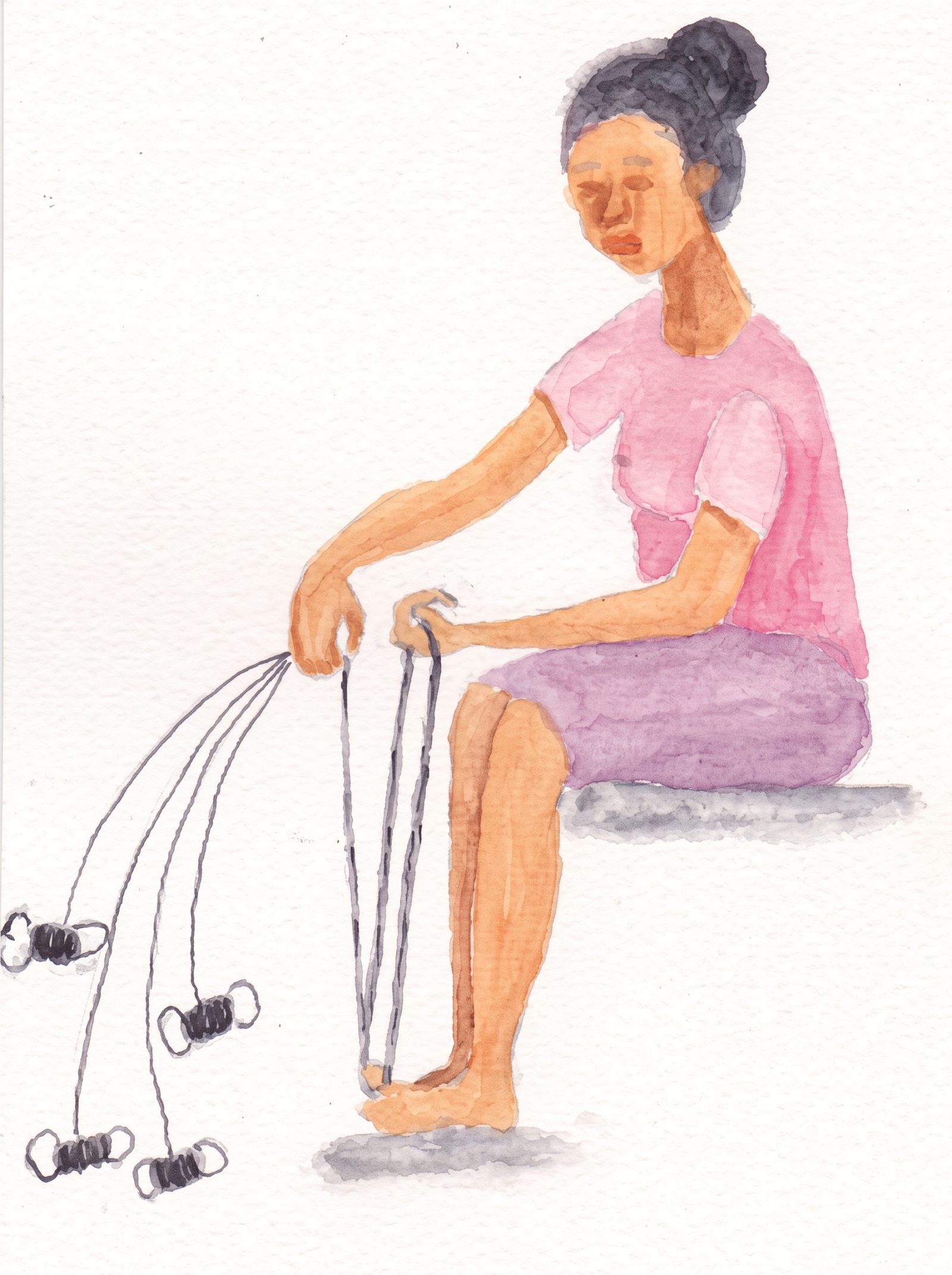
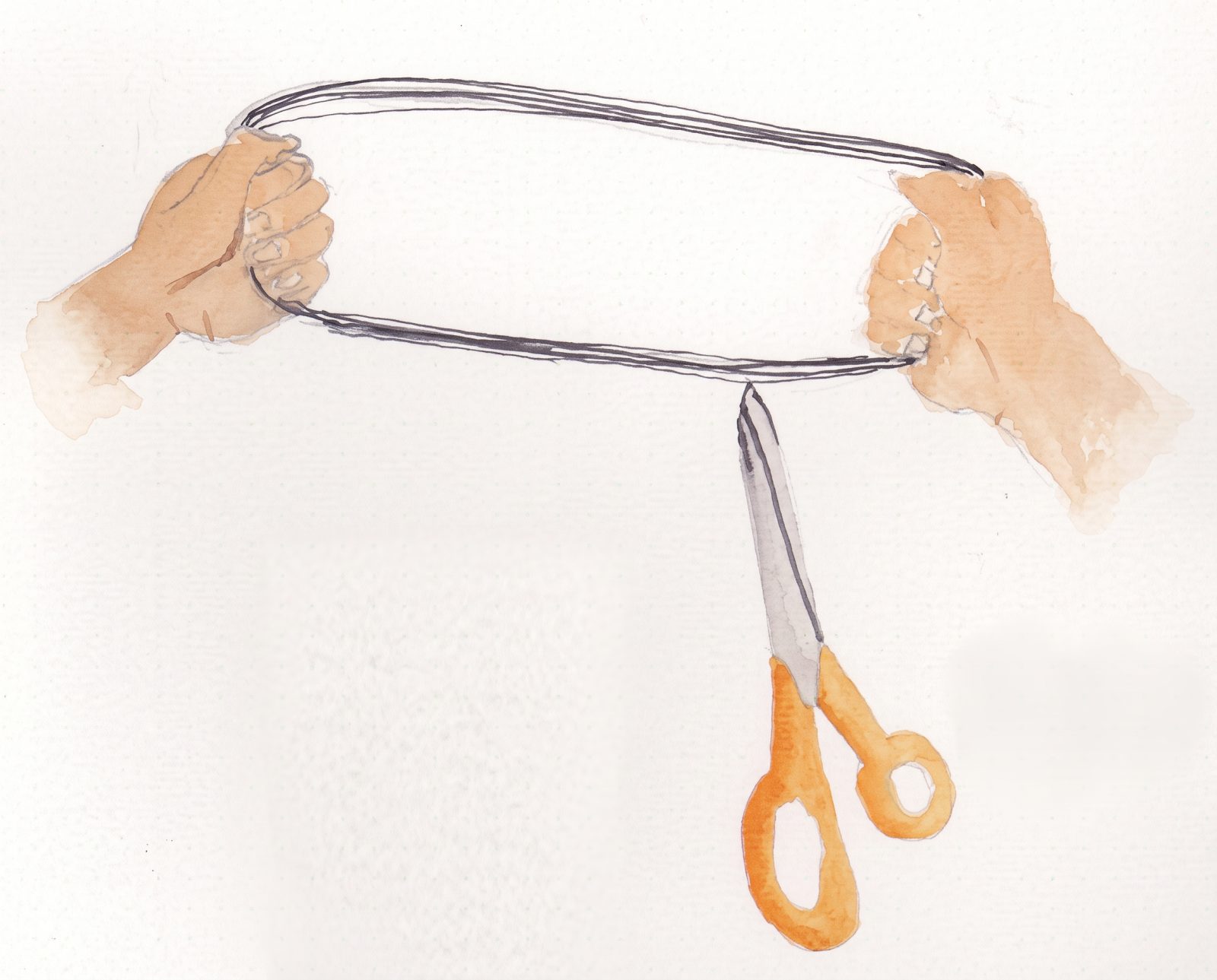
- Prepare the thread. The classic choice is plain black cotton thread, four to six packets depending on how thick and long the hair is. The stylist holds the ends together and winds the bunch between her hand and her big toe to make a long loop, then cuts it into equal strands. Rubber thread is another option, and gives a glossy finish. Wool and nylon thread are used too.
- Section the hair. Clean, detangled, moisturised hair is parted into as many sections as the style needs. Fewer, thicker sections are quicker and gentler.
- Wrap. Taking four or five strands at a time, she anchors the thread at the root and winds down the length. A skilled stylist does this astonishingly fast, each turn sitting snugly against the last so no hair shows. Leaving gaps between turns gives a different, more open look.
- Finish. A knot at the tip, and the spare thread is snipped off.
Hair extensions can be wrapped in with your own hair if you want the plaits longer or fuller.
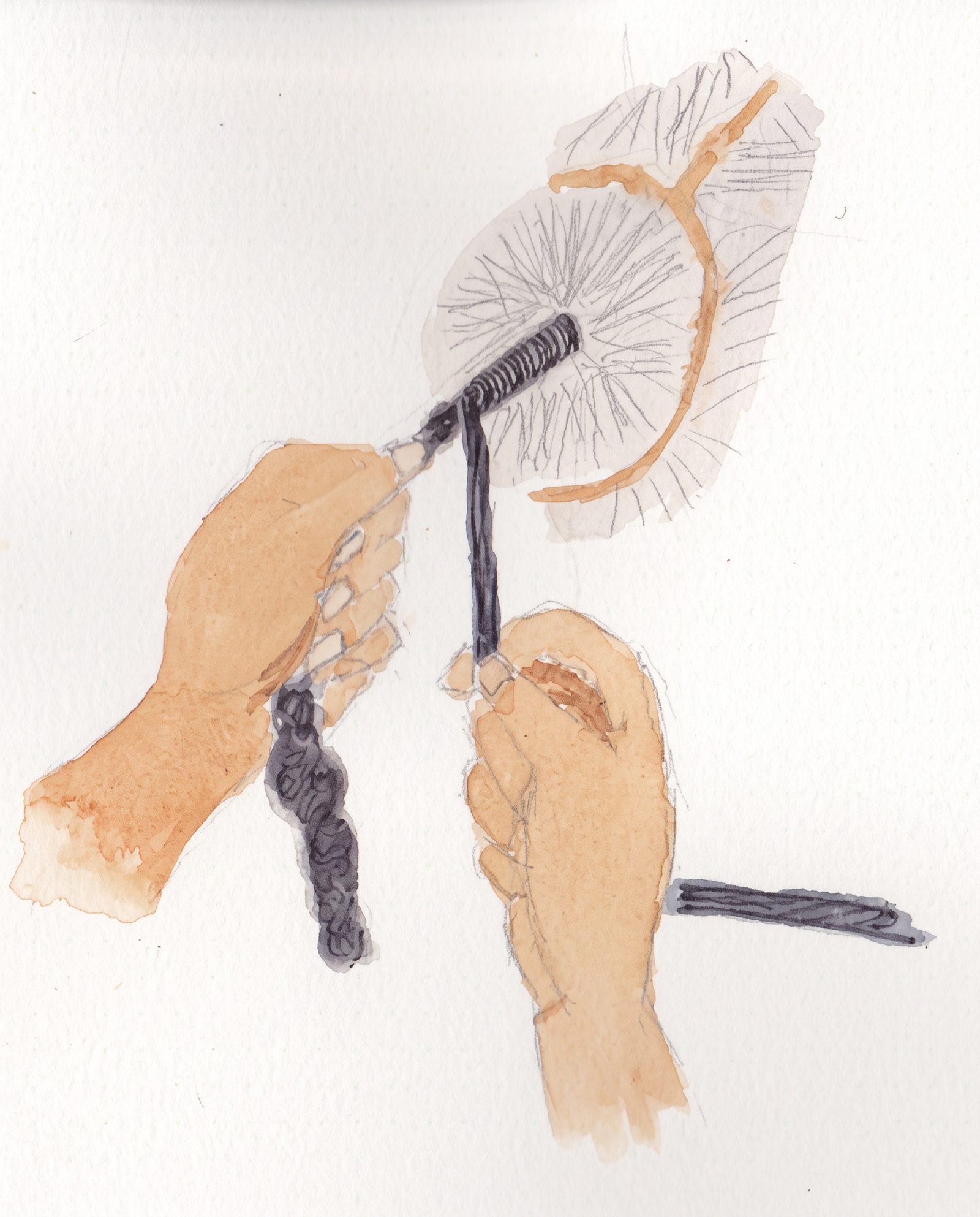
Shaping the plaits
Freshly threaded hair stands straight out from the head, which is where the fun starts. The plaits can be:
- bent round the head and tucked into each other
- gathered upwards into a crown
- wound round a pen to set spirals
- coiled flat against the scalp, like Bantu knots
- left long and loose, or mixed with braided sections
This is why threading keeps turning up in fashion shoots: it is closer to sculpture than most styles.
How long does it last?
Anything from one to four weeks, depending on the style and how well you look after it. Don't push it further: thread left in too long dries the hair and invites tangles. A simple set is also quick to put in compared with braids.
Why people are coming back to it
- Stretch without heat. When you unwind the thread, your hair is smooth and elongated, as if it had been blow-dried, with no heat and no chemicals. Many people now thread overnight purely for this, and never wear the plaits out of the house.
- Protection. The hair is tucked away from friction and handling, which helps it keep its length.
- Cost. A few packets of thread.
What to watch for
Threading should feel firm, never painful. If your scalp is sore, or you can't lie comfortably on your pillow, it is too tight, and repeated tightness at the hairline can cause lasting hair loss. Ask for it to be loosened, or redo the front sections yourself. Don't thread hair that is dry and brittle: moisturise first, and take the thread out gently, unwinding and never pulling.
Trying it at home
Start with a stretch, not a style. On damp, moisturised hair make six to eight sections, wrap each one loosely with ordinary cotton or wool thread, and leave it overnight. If you like what you see in the morning, you are ready to find a stylist who can do the real thing.