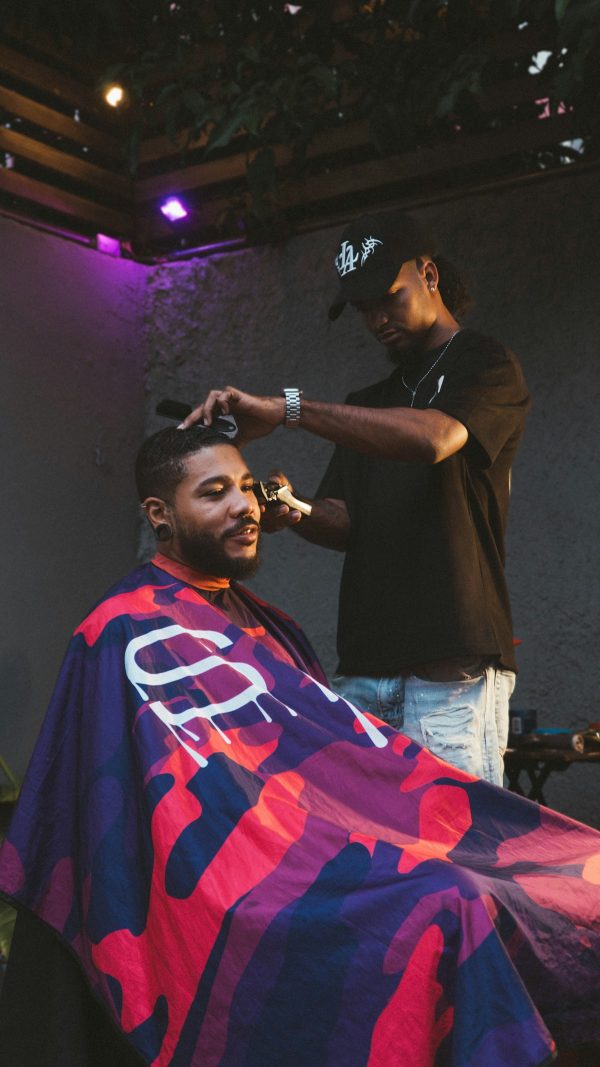
Fades Explained: How to Ask Your Barber for What You Want
Low, mid or high? Taper or fade? Skin or shadow? A plain guide to barbershop language, clipper numbers and line-ups, so you leave the chair with the cut you had in mind.
"Just a trim, not too short."
Barbers hear it twenty times a day, and it tells them almost nothing. Your "not too short" may be his "nearly bald", and by the time you find out, the clippers have already been round once. The surest way to get the cut you want is to learn the six or seven words barbers themselves use. None of them is difficult.
First, the numbers
Clippers take plastic guards that set how much hair is left. In Britain they are called grades, in America guards or just numbers, and they mean the same thing everywhere:
- 0: no guard. Stubble, a millimetre or so.
- 1: 3mm (an eighth of an inch).
- 2: 6mm (a quarter of an inch).
- 3: 10mm (three eighths).
- 4: 13mm (half an inch).
Each number adds roughly 3mm. Anything shorter than a 0 is done with trimmers, a foil shaver or a razor, and is called skin or bald.
So "a 2 on top and a 1 at the sides" is a complete instruction. "Short" is not.
Taper or fade?
Both mean hair that goes gradually from longer to shorter with no visible step. The difference is how much of the head is involved.
- A taper shortens only the edges: the sideburns and the neckline. The rest of the sides stays one length. It is the quiet option, tidy for work, and it grows out gracefully.
- A fade takes the blend all the way round the head, usually down to very short or to skin. It is sharper and more noticeable, and it needs redoing more often.
If you are not sure, ask for a taper. You can always go further next time. You cannot go back.
Low, mid or high
This is the question your barber most needs answered: how far up the head should the shortest part go before it starts blending into the longer hair?
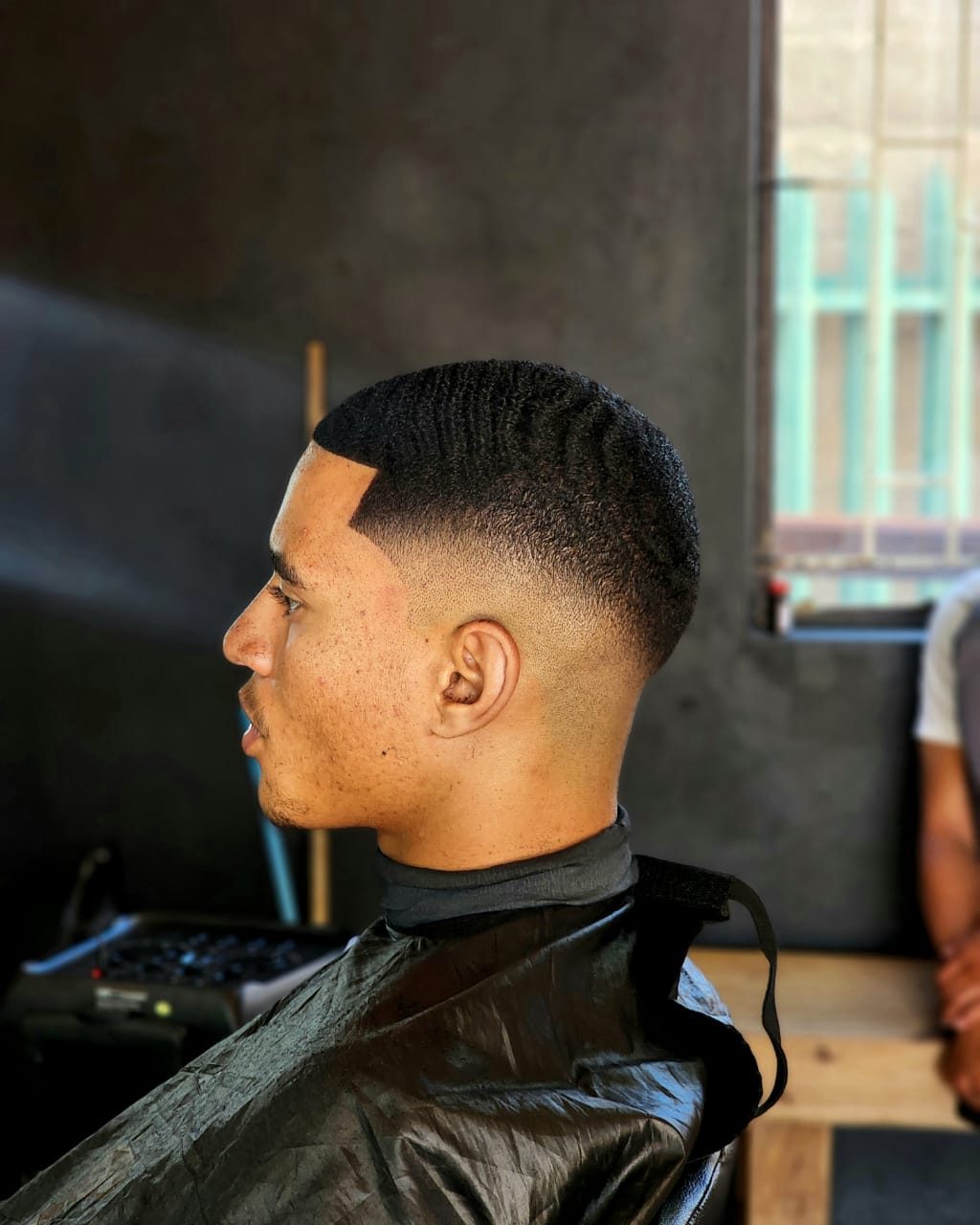
- Low fade: the short part stays close to the ears and the neckline. Most of the side keeps its length.
- Mid fade: the blend sits around the level of the temples. The all-rounder.
- High fade: short nearly up to where the head starts to curve over at the top. Bold, clean, and lots of scalp on show.
The other words you will hear
- Skin fade (or bald fade): the bottom of the fade goes right down to bare skin.
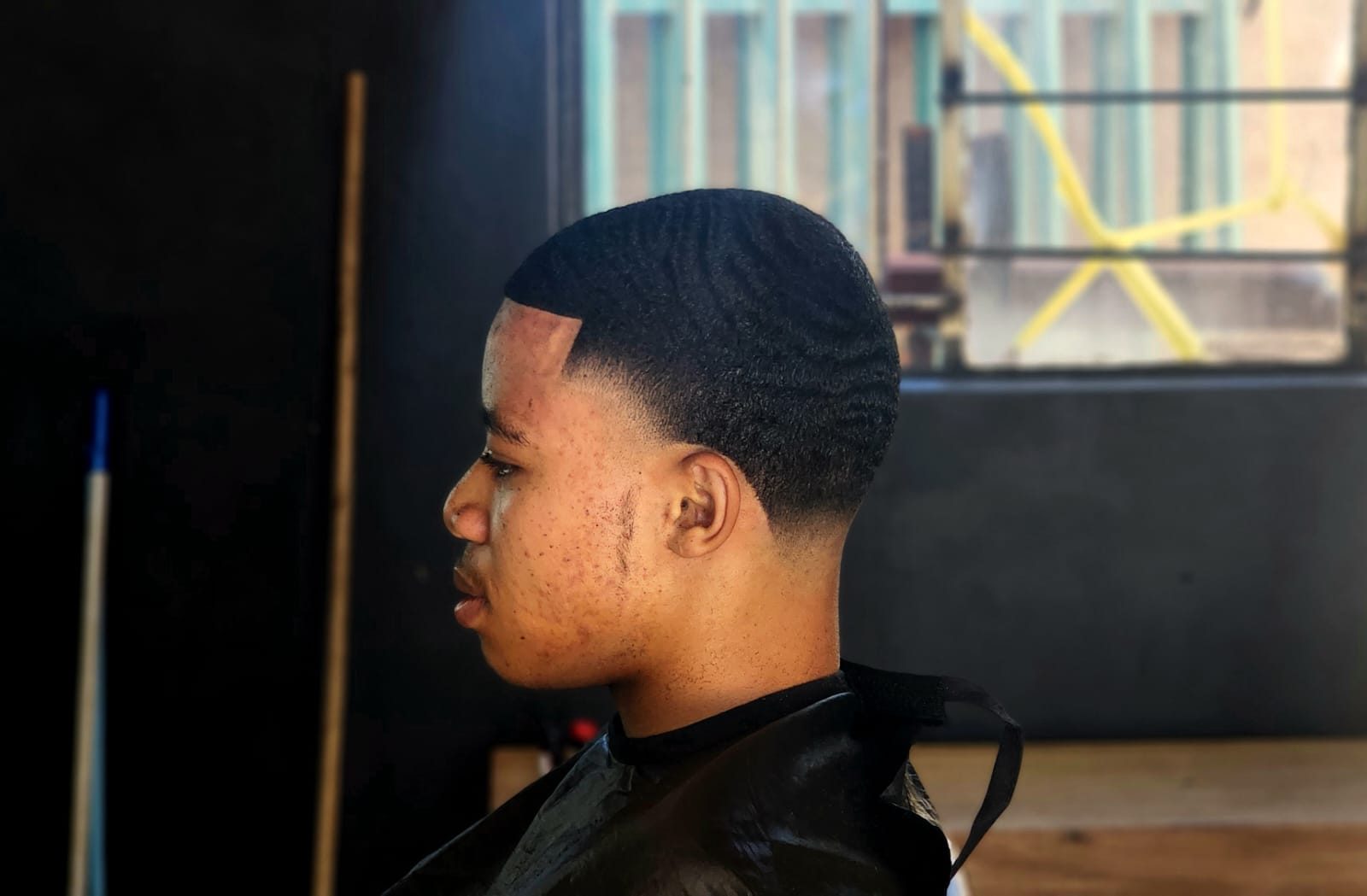
- Shadow fade: it stops at stubble, leaving a soft dark "shadow". Kinder to sensitive skin.
- Drop fade: the line of the fade dips down behind the ear and follows the shape of the head, not a straight band.
- Burst fade: a half-circle faded around the ear only, with length left at the back. It is what goes with a mohawk.
- Temple fade (temp fade): just the temples and sideburns faded, the hairline left crisp. A favourite with an afro or with waves.
- Line-up, shape-up or edge-up: three names for the same thing. The barber squares off the hairline at the forehead, temples and beard with trimmers. It is what makes a cut look freshly done.
- Part: a thin line shaved in with the trimmers, usually at the side.
What about the top?
A fade describes the sides and back only. You still have to say what happens on top. The usual choices:
- An even low cut, the same grade all over the top. Simple and smart.
- Waves, kept short (around a 1.5 to a 2), brushed daily and worn under a durag at night.
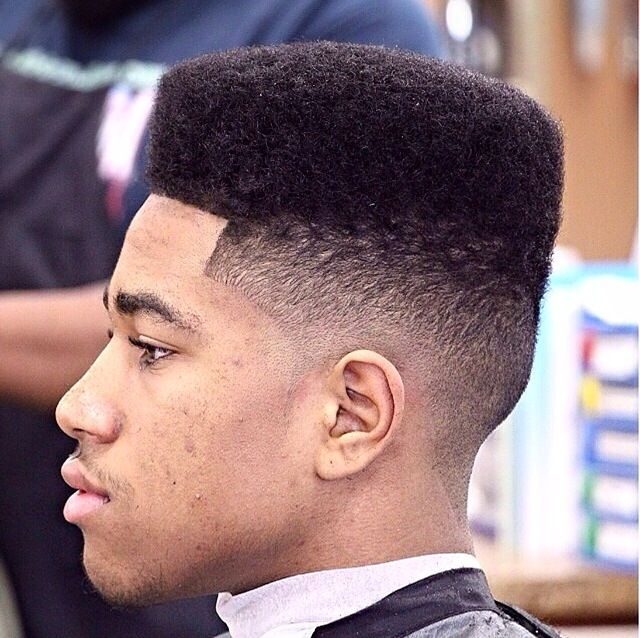
- A short afro, picked out and shaped round, or squared off into a high top.
- Twists or sponge curls, done with a twisting sponge on an inch or so of hair.
- Locs, with the sides and back faded underneath. The fade keeps it neat while the locs do the talking.
What to say in the chair
Put it together and the whole order takes ten seconds. For example:
"Mid skin fade, a 2 on top, and line me up. Keep my natural hairline."
Four things are worth saying every time:
- How high (low, mid or high) and how short at the bottom (skin, 0, 1).
- What you want on top, with a number if it is clippered.
- Your hairline. Ask the barber to follow your natural line. A line-up cut further back than your real hairline looks razor-sharp for three days. Then the stubble grows in front of it, and the only fix is to cut it back again. Do that for a year and you have given yourself a receding hairline.
- Show a photo. It is not embarrassing. Barbers prefer it. Choose a picture of someone with hair and a head shape something like your own, and remember that some photos online have been helped along with dye or hair fibres to make the hairline look fuller.
Keeping it sharp
- A fade lasts about two weeks before the blend blurs. A line-up starts to soften after a week. If your budget says once a month, a taper or a low fade will look better in week four than a high skin fade will.
- Look after the skin. Very close cuts mean freshly scraped skin. A light, unscented moisturiser afterwards helps. If you get bumps along the neckline or at the back of the head after every cut, ask for a shadow fade in place of skin, and read our guide to razor bumps. Bumps at the back of the head that keep coming back, or turn hard, are worth showing a doctor.
- Watch the tools. Clippers and trimmers should be brushed out and sprayed with disinfectant between customers. You are allowed to notice whether they are.
- Growing a beard too? Ask for the fade to be blended into it at the sideburns, so there is no hard join. More in our beard guide.
One last thing. When you find a barber who listens, understands "natural hairline" and gets the blend right, stay loyal and tip properly. They are rarer than they should be.
Picture credits
All from Wikimedia Commons.
- Main picture and the softer fade: Classic Barbers and Classic Barbers, CC0
- The high top: Kct02, CC BY-SA 4.0