Ain't Nothing Wrong With Nappy Hair!
Where the shame around natural Black hair came from, what the hair is really like, and how far things have moved since one radio host's insult in 2007.
Back in 2007 an American radio host, Don Imus, went on air and called the Rutgers University women's basketball team a bunch of "nappy-headed hos". Not very nice at all, and within a fortnight it had cost him his show (though he was back on another station by the end of the year).
The obvious insult was calling a group of talented young women "hos". But tucked in beside it was a second one: the idea that nappy hair, meaning Black hair in its natural state, is something to be ashamed of. That is the one we want to tackle here.
(A word on the word. "Nappy" has been thrown at Black people as an insult for a very long time, and plenty of us have since taken it back and wear it with pride. Who is saying it still matters.)
What natural Black hair is really like
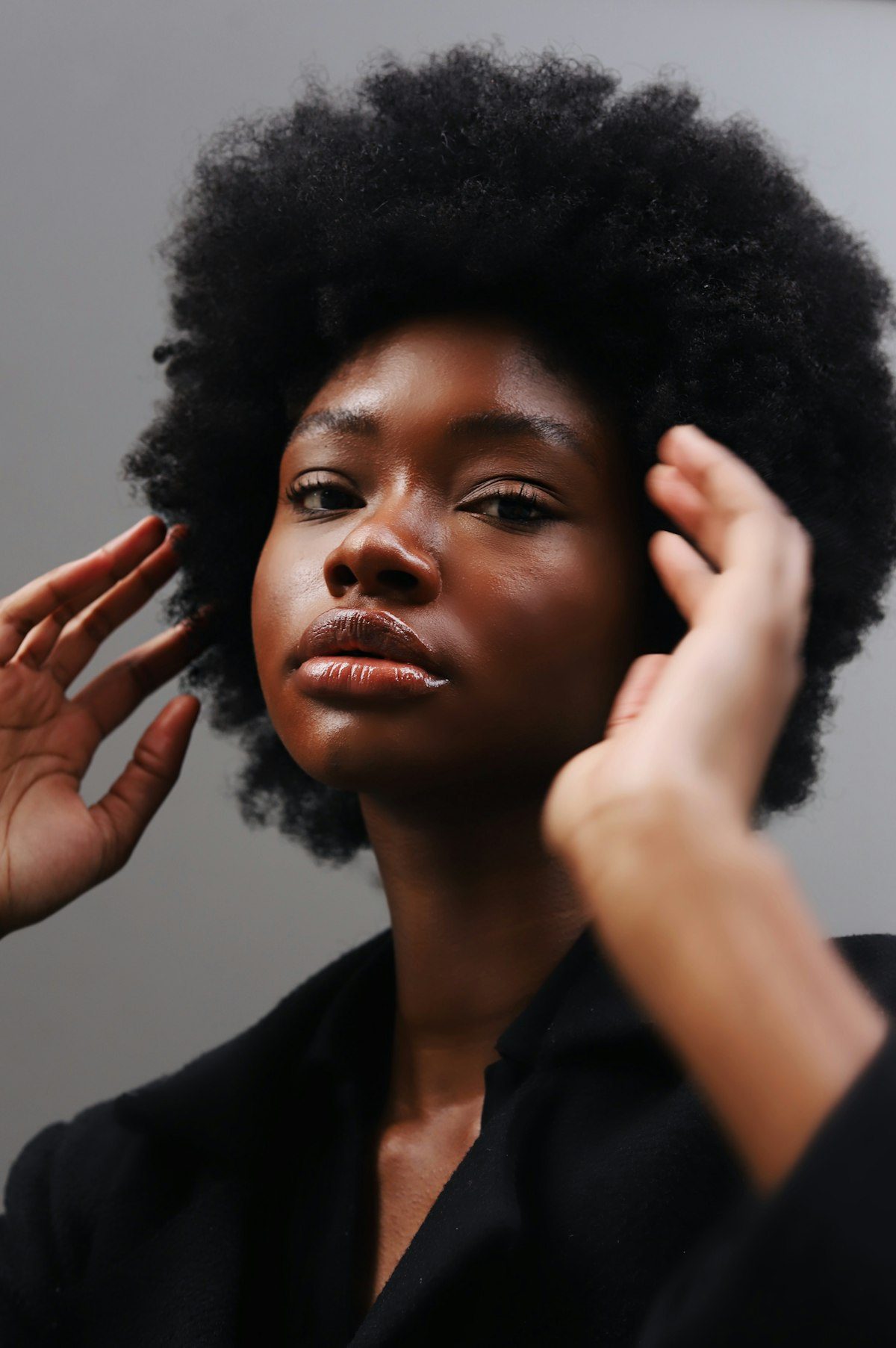
Left alone, Black hair comes in a wide range of textures, from soft waves to very tight coils. Most of us sit somewhere in between, and that in-between hair has a few habits worth knowing:
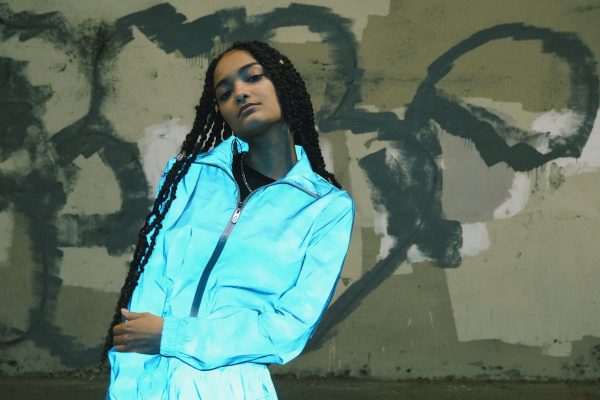
- It locks and holds. The strands grip each other, which is exactly why braids, cornrows, twists and locs work so beautifully on it. They stay put.
- It keeps a style. It tends to grow more slowly than straight hair, and because it coils it shows less of its length. The upside: a style that took four hours to put in doesn't need redoing a fortnight later.
- It shrinks. Add water or a humid day and it springs back towards the scalp. (For the full horror, see Countdown to 2 Inches.)
None of this is a fault. It does mean that natural hair worn long asks for more time and care than most, and it is certainly not "wash and go"!
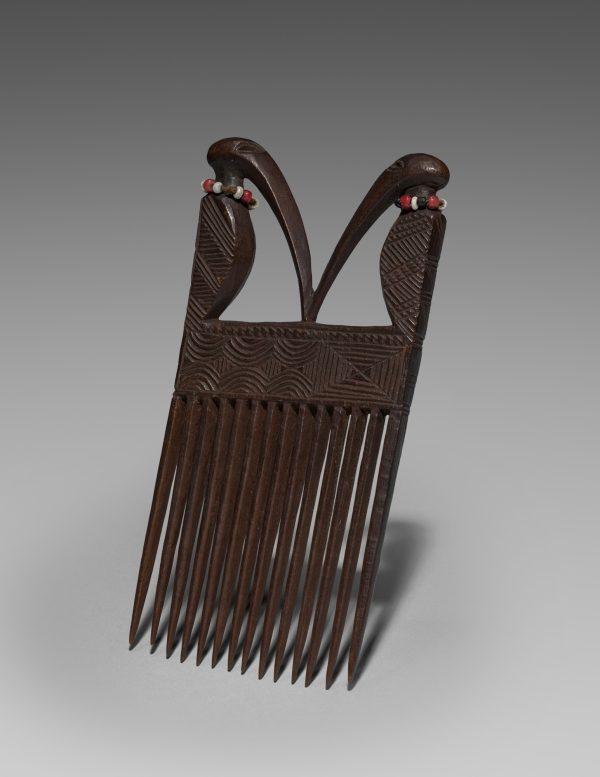
For most of history that was no problem at all. Across Africa, hair was something you gave time to. It was dressed by family and by skilled stylists, in styles that could mark your age, your standing or a special occasion, and there was a deep store of knowledge about how to keep it healthy. Old photographs from south-eastern Nigeria show sculpted, threaded and moulded styles so intricate that it is hard to see how some of them were ever taken down. Looking at them, you can't help wondering how many of those methods have been lost.
How the shame began
Things changed brutally when Africans were shipped to the Americas as slaves.
Enslaved people had almost no time to themselves, and none of the tools they had used at home. Braiding survived, but much of the skill and knowledge needed to care for the hair was lost.
Worse was the attitude of the slave owners. Whatever looked too African was stamped out: music, language, religion and, of course, hairstyles. Europeans were held to be superior, and the more like them a person looked, with lighter skin and straighter hair, the more likely they were to be given the lighter work in the master's house. Everyone enslaved was degraded, but those with the darkest skin and the kinkiest hair were kept firmly at the bottom of the pile.
That is where the shame comes from. "Good hair" came to mean hair that looked European, and generations of effort went into getting there. For people whose hair was naturally wavy it was manageable. For everyone else, in the days before chemical relaxers and electric straighteners, it was a painful, endless struggle.
And now?
Emancipation, and later the civil rights and Black Power years, brought a growing pride in being Black and in wearing Black hair as it grows. When this article was first written, though, it still felt like early days. Most Black women in the public eye relaxed their hair, and the old insults were never far away.
A lot has moved since. Natural hair is everywhere: on red carpets, on magazine covers, in boardrooms. In the US, more than half the states have passed a version of the CROWN Act, which began in California in 2019, to stop schools and employers punishing people for afros, braids and locs. In the UK, the Halo Code, launched in 2020, asks schools and workplaces to make the same promise, and the equality watchdog has told schools that banning these styles is likely to be unlawful. Even so, Michelle Obama has said she kept her hair straight throughout her White House years because she felt the country wasn't ready for anything else. If a First Lady felt that pressure, it hasn't gone away.
So, to anyone still reaching for that old insult: there ain't nothing wrong with nappy hair. There never was.