Shea Butter: What It Is and How to Use It on Your Hair
Shea butter has been West Africa's hair and skin remedy for generations. Where it comes from, raw versus refined, and how to use it so it softens your hair instead of sitting on top.
Read the label of almost any product made for our hair and you will find it: shea butter, sometimes listed by its Latin name, Butyrospermum parkii. The beauty industry came to it fairly recently. West Africa has relied on it for generations.
Where it comes from
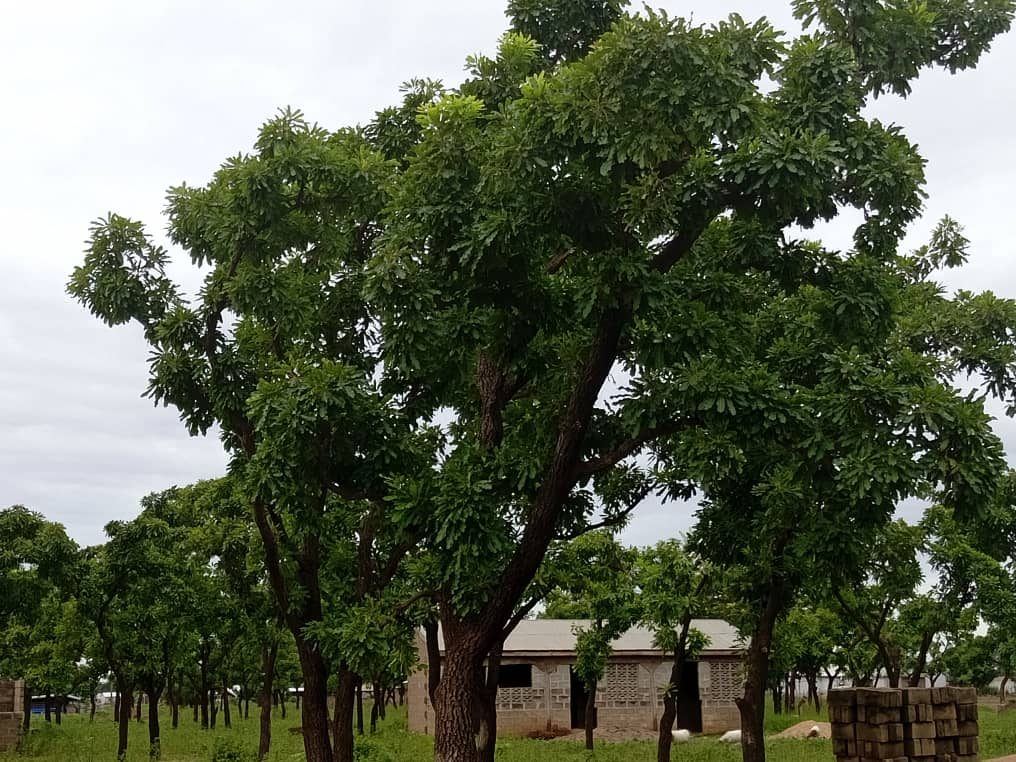
Shea butter is the fat from the nut of the shea tree, which grows wild across the dry savannah belt of West and Central Africa, from Senegal through Mali, Burkina Faso, Ghana and Nigeria and beyond. The trees are not farmed in plantations; they take many years to bear fruit and can go on for generations.
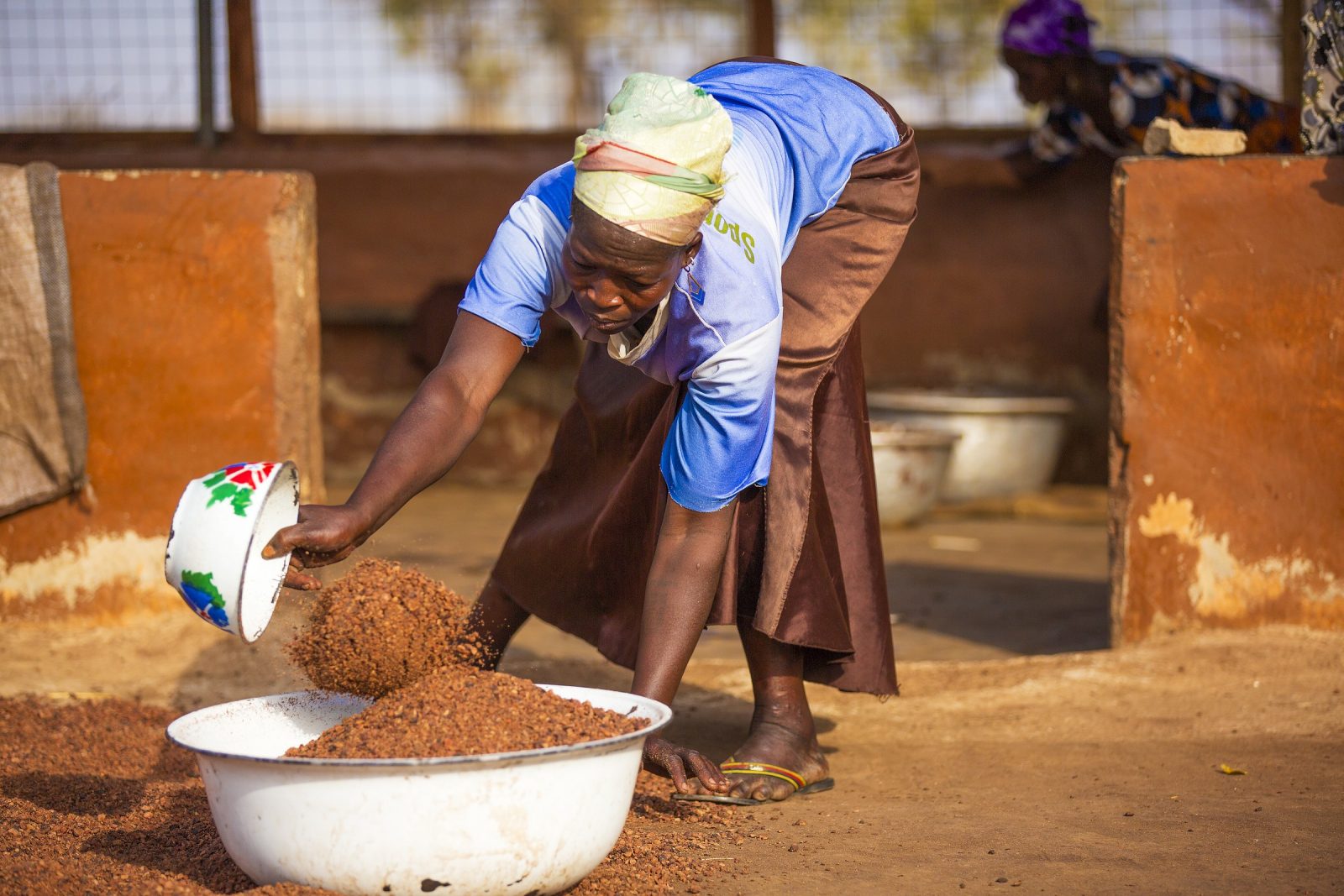
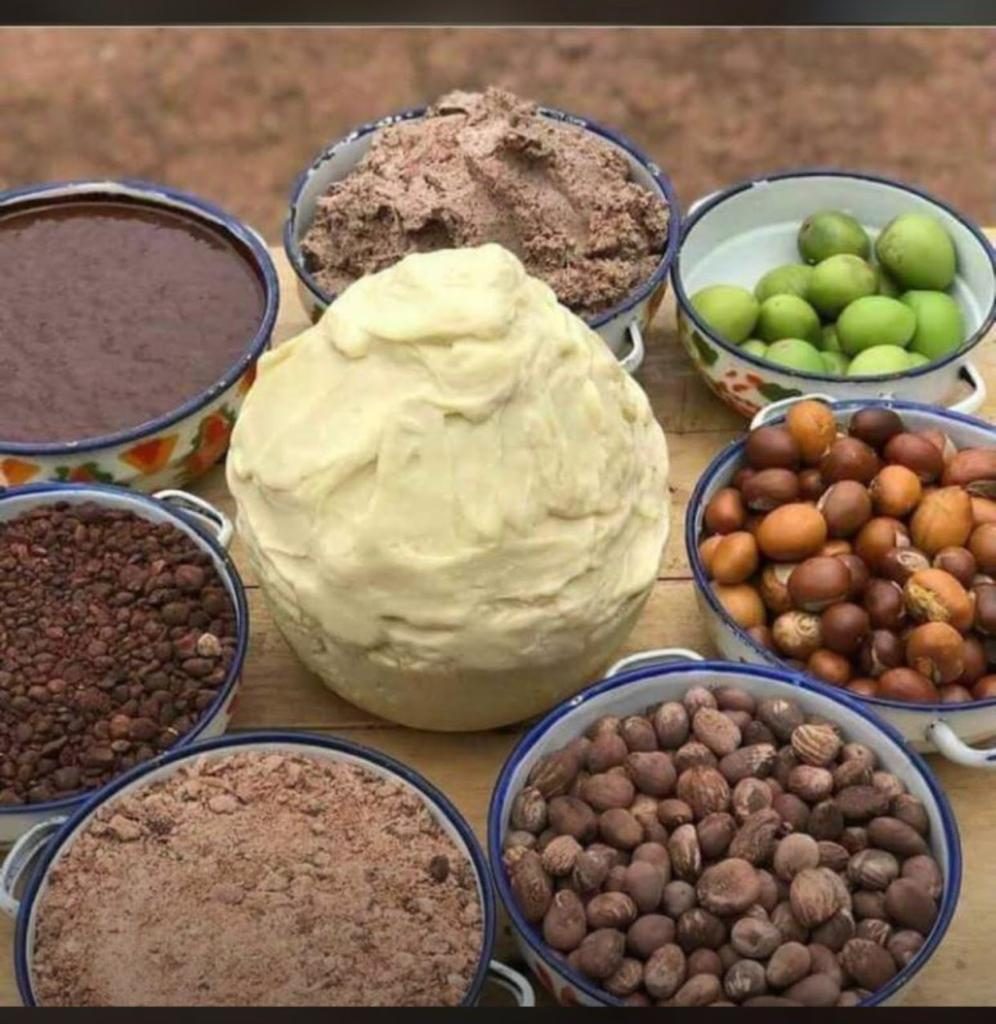
Making the butter is long, skilled work, and it has traditionally been women's work: gathering the fallen fruit, then drying, crushing, roasting, grinding and kneading the nuts with water until the fat separates, and finally boiling and cooling it. The trade is an important source of income for women across the region, which is why shea is sometimes called "women's gold".
At home it has always been an all-purpose remedy: for skin, for hair, for babies, for cooking.
Raw or refined?
- Raw or unrefined shea butter is ivory to pale yellow, with a nutty, slightly smoky smell. It has had the least done to it, and it is the one we reach for.
- Refined shea butter is white and has no smell. It has been filtered and deodorised, which is pleasanter for some noses. Many people feel refining takes away some of what makes it useful, though that is hard to prove either way.
- Bright yellow butter has usually had a root dye or a little palm oil added. Not necessarily bad, but ask what is in it.
Buy from a seller who can tell you where it came from. Keep it somewhere cool, with the lid on, and it should keep well for months. If it smells sharp or sour, it has probably gone off.
How to use it on your hair
Here is the thing most people get wrong. Shea butter adds no water of its own. It seals. On dry hair it just sits there, greasy and heavy. Put it over water and it helps hold that moisture in.
- To seal: on damp hair, apply your leave-in conditioner first. Then melt a small amount of shea butter (the size of a pea for each section) between your palms and smooth it over, finishing with the ends.
- For twists and braid-outs: use it as your styling butter on damp hair for soft, defined results.
- For your ends: a little worked into the last inch protects the oldest, driest part of your hair.
- For a dry scalp: some people massage in a very small amount. Not if you have dandruff, though, as oils on the scalp may make it worse. See Dandruff and Black Hair.
- For beards: softens coarse beard hair and the skin underneath. See The Black Man's Beard Guide.
- For skin: elbows, knees, heels, hands, lips. Winter's best friend.
A little goes a long way. If your hair looks dull and coated, you have used too much.
Whipped shea butter
Raw shea is firm and can be hard to spread. Whipping it makes it light and creamy.
- Gently melt half a cup of shea butter in a bowl over hot water.
- Stir in two tablespoons of a liquid oil, such as olive, coconut or jojoba.
- Cool it in the fridge until it just starts to set.
- Whisk with an electric whisk for several minutes until it looks like whipped cream.
- Spoon into a clean jar. Use dry, clean fingers so it keeps.
A caution
Despite the name, the shea nut is a seed, not a true tree nut, and allergy charities say no allergic reactions to shea butter have been reported, even in people with peanut or tree nut allergies. That reassurance is based on refined shea butter, which has had the protein removed; raw butter has been studied far less. So if you have a serious nut allergy, or are in any doubt, have a word with your doctor or allergy clinic before using raw shea. And as with anything new, try a little on your inner arm first to see whether it irritates your skin. If you are allergic to coconut, pick a different oil for the whipped recipe.
Picture credits
- Main picture: Douglas Gritzmacher, USAID, public domain
- Shea trees: Chiny Linda, CC0
- The stages of production: Kawtey, CC BY-SA 4.0